How Technology Is Transforming Healthcare Delivery
The global healthcare system has long operated under a traditional, reactive delivery model. For generations, the standard patient journey began only after physical symptoms manifested, requiring a trip to a brick-and-mortar medical facility, a manual paper-based intake process, and face-to-face physician consultations. While this highly localized approach has served humanity for centuries, it introduces structural inefficiencies, such as extended wait times, geographical limitations, fragmented data tracking, and a high vulnerability to diagnostic human error.
Modern computing power, advanced data networks, artificial intelligence, and decentralized hardware are driving a profound structural reorganization of clinical care. Technology is transforming healthcare delivery from an episodic, centralized system into a continuous, data-driven, and highly personalized infrastructure. By shifting the focus of medicine from reactive symptom suppression to proactive wellness management, these innovations are expanding clinical capacity, reducing operational expenditures, and fundamentally altering how human health is monitored and preserved.
The Evolution of Decentralized Care Pathways
The physical walls of the hospital are no longer the absolute boundaries of high-tier clinical care. The integration of high-speed telecommunications infrastructure has successfully decentralized patient interactions, expanding specialty access to previously isolated populations.
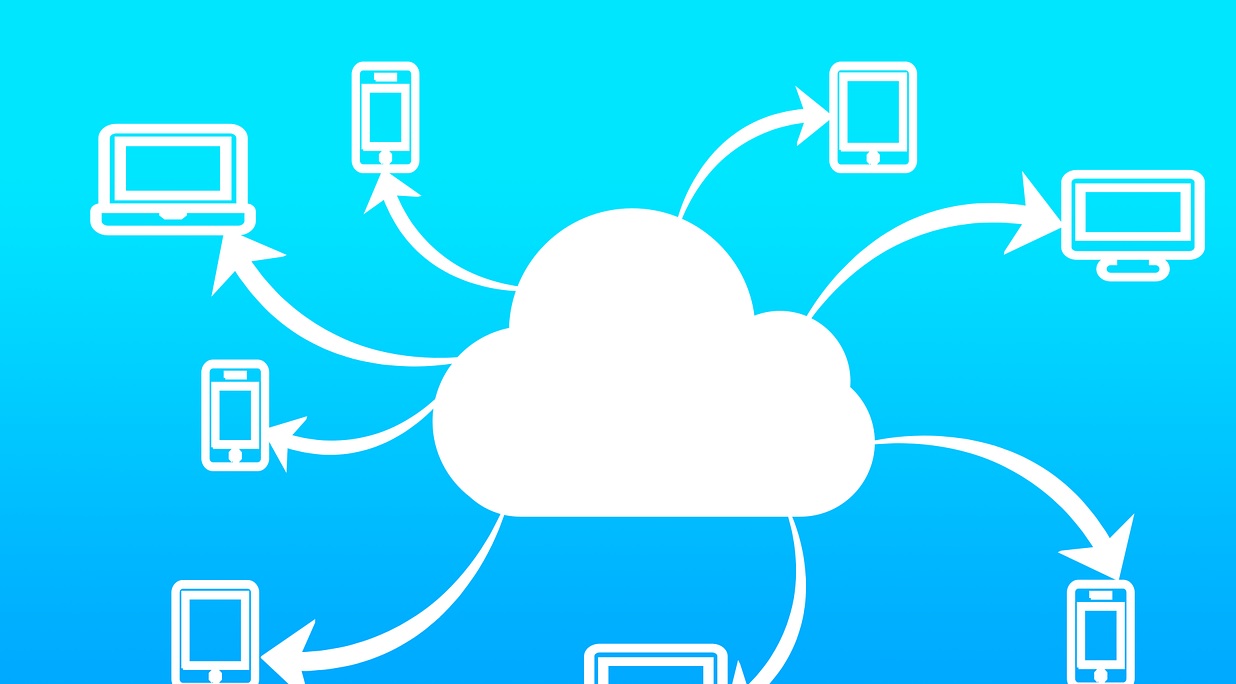
Telehealth platforms have evolved far beyond basic video consultations. Modern virtual care portals integrate secure cloud-based electronic health record networks, automated scheduling software, and synchronized digital pharmacy networks. A patient living in a remote rural community can now consult with a world-class specialized oncologist or neurologist thousands of miles away, eliminating the massive logistical friction, travel expenses, and physical exhaustion associated with traditional medical travel.
This democratization of care is highly valuable for managing chronic illnesses such as congestive heart failure, chronic obstructive pulmonary disease, and advanced diabetes. Virtual check-ins allow physicians to closely monitor medication adherence, evaluate lifestyle shifts, and adjust treatment protocols in real time, preventing minor physiological fluctuations from escalating into expensive emergency room visits.
Proactive Insights Through Remote Patient Monitoring
Decentralized care pathways rely heavily on the continuous collection of objective physiological data. The rapid development of wearable bio-sensors and remote patient monitoring hardware has established a continuous diagnostic link between the patient’s daily life and the clinical monitoring team.
Traditional medical assessments provide only a brief, isolated snapshot of a patient’s health status during an office visit. This often triggers phenomena like white-coat hypertension, where a patient’s blood pressure spikes artificially due to the stress of being in a clinic. Remote patient monitoring eliminates this diagnostic distortion by gathering continuous biometric streams within the patient’s natural environment.
-
Continuous Glucose Monitors: Subcutaneous sensors track interstitial glucose levels every few minutes, transmitting real-time data to a smartphone application and automatically flagging dangerous glycemic swings.
-
Smart Electrocardiogram Wearables: Consumer smartwatches and medical-grade patches track cardiac rhythms over extended windows, identifying transient arrhythmias like atrial fibrillation that are rarely captured during a standard ten-second in-office electrocardiogram.
-
Decentralized Pulse Oximetry and Spirometry: Patients suffering from respiratory conditions can transmit daily blood oxygen saturation levels and lung capacity metrics directly to pulmonary care teams.
When a wearable sensor detects a metric that breaches a customized clinical threshold, the system automatically alerts a triage nurse or physician. This immediate data loop allows the medical team to intervene before a full-blown medical crisis occurs, fundamentally shifting the practice of medicine from reactive crisis management to proactive prevention.
Artificial Intelligence as a Force Multiplier for Clinicians
The sudden influx of continuous health data would easily overwhelm human clinical capacity without an automated filtering mechanism. Artificial intelligence and machine learning algorithms are stepping into this void, serving as a powerful diagnostic force multiplier for overburdened healthcare workers.
Radiographic and Pathological Computer Vision
In diagnostic imaging, machine learning models trained on millions of clinical scans are achieving extraordinary precision. In mammography, chest X-rays, and brain computed tomography scans, these algorithms review images down to the pixel level, highlighting minute structural anomalies, micro-calcifications, or early-stage tumors that might escape the human eye during a long shift.
By acting as a continuous, tirelessness second reader, computer vision systems accelerate diagnostic turnaround times and reduce the incidence of false negatives, allowing oncology teams to initiate treatments when the disease is most vulnerable.
Predictive Analytics and Hospital Operational Logistics
Beyond direct diagnostics, artificial intelligence optimizes the hidden infrastructure of hospital operations. Predictive algorithms analyze historical admissions data, local weather patterns, regional viral infection rates, and community demographic shifts to project exactly how many patients will arrive at an emergency department on any given night.
This operational foresight allows administrators to optimize nursing schedules, allocate intensive care unit beds efficiently, and streamline medical supply chain procurement, directly reducing emergency room overcrowding and improving the quality of patient care.
Accelerating Therapeutics Through Digital Genomics
The traditional pharmaceutical research pipeline is notoriously slow, frequently requiring over a decade and billions of dollars to transition a single drug candidate from a laboratory concept to a pharmacy shelf. Technology is systematically compressing this timeline through the integration of high-performance computing and genomic sequencing.
Next-generation genomic sequencing technologies allow scientists to map an individual’s complete DNA strand in a matter of hours for a fraction of its historical cost. This deep genetic clarity allows oncology teams to transition away from generic chemotherapy protocols toward highly customized targeted therapies.
By analyzing the specific genetic mutations driving a patient’s tumor, oncologists can prescribe medications engineered specifically to target those mutated cellular pathways, dramatically increasing survival rates while sparing the patient the systemic toxicities of traditional broad-spectrum treatments.
Simultaneously, artificial intelligence platforms accelerate drug discovery by simulating billions of molecular interactions in a virtual environment. Rather than manually blending physical chemicals over years of trial and error, research scientists utilize machine learning models to predict exactly how specific protein structures will interact with target pathogens. This computational modeling cuts years off the preclinical development phase, allowing life-saving therapies to reach human clinical trials at an unprecedented pace.
Conclusion
The technological transformation of healthcare delivery is not a futuristic concept; it is an active operational reality that is fundamentally altering human longevity. By breaking down geographic barriers through virtual networks, gathering continuous biometric insights via advanced remote sensors, augmenting human clinical intellect with machine learning, and mapping the foundational codes of human life through genomics, technology is building a highly resilient medical ecosystem. As these interconnected systems continue to mature, they will continue to relieve the strain on global healthcare infrastructure, reduce clinical errors, and guarantee that high-tier, personalized medical care becomes an accessible birthright rather than a localized luxury.
Frequently Asked Questions
What is the specific operational difference between electronic medical records and electronic health records?
Electronic medical records are digital versions of a patient’s chart maintained within a single specific clinical practice, containing the medical history, diagnoses, and treatments provided by that specific physician group. Electronic health records are built to share data across different healthcare organizations. They are designed to travel with the patient, allowing hospitals, specialists, laboratories, and pharmacies across the country to access a unified, comprehensive health history instantly.
How does blockchain technology enhance security within the modern healthcare data ecosystem?
Blockchain introduces a decentralized, immutable ledger system for storing and managing sensitive medical records. Traditional centralized data servers are highly vulnerable to cyberattacks and unauthorized data modifications. By utilizing blockchain, every update, modification, or access request to a patient’s medical file is cryptographically secure and permanently recorded, preventing unauthorized altering of clinical histories and giving patients explicit ownership over who views their data.
What is a digital twin in healthcare, and how does it optimize personalized patient care?
A digital twin is a highly sophisticated, virtual computer model of an individual patient’s unique biological systems, created by combining their genetic mapping data, historical health records, and continuous wearable biometric streams. Physicians can use this virtual replica to simulate complex surgical procedures or test how the patient’s body will react to a specific drug dosage before performing the actual physical intervention, minimizing real-world complications.
How do smart clinical communication systems reduce alarm fatigue for hospital nursing staff?
Alarm fatigue occurs when hospital staff become desensitized to the continuous wall of beeping noises generated by traditional, isolated bedside monitors, occasionally leading to missed alerts. Smart clinical communication tools address this by gathering data from all bedside devices, analyzing whether an alert represents a true clinical emergency or a benign sensor shift, and routing critical alarms quietly and directly to the specific assigned nurse’s secure mobile handset.
In what ways is natural language processing reducing administrative burnout for modern physicians?
Physicians spend hours every day manually typing clinical documentation into computers, reducing the time they can spend looking at patients. Natural language processing software listens to the verbal conversation during a patient exam and automatically translates the spoken dialogue into structured, professional medical notes within the electronic health record system, freeing the physician to focus completely on the human interaction.
What is the therapeutic function of digital therapeutics in modern behavioral medicine?
Digital therapeutics are clinically validated, evidence-based software applications designed to prevent, manage, or treat specific medical and psychological conditions. Rather than relying exclusively on traditional pharmaceuticals, a patient might be prescribed a structured digital therapeutic application that delivers cognitive behavioral therapy modules for chronic insomnia, substance use disorders, or clinical anxiety, providing accessible, self-paced behavioral care.