
Improve Sleep and Stress with a Bodypump Class
Stress and poor sleep have become common issues for working adults in Singapore. Long hours, constant digital exposure, irregular meal timings, and limited physical decompression often lead to restless nights and persistent fatigue. Over time, this affects mood, concentration, metabolism, and overall health.
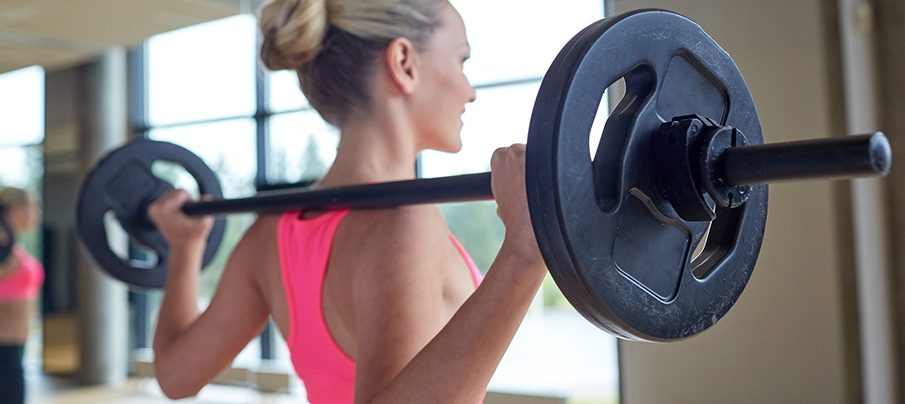
A bodypump class offers more than physical conditioning. When programmed and timed correctly, this form of resistance-based group training can help regulate stress levels, improve sleep quality, and restore mental balance. The structured format, rhythmic movement, and controlled intensity create a powerful outlet for physical and psychological release.
Understanding how training influences the nervous system is key to using it as a long-term tool for stress and sleep improvement.
Why stress and poor sleep often go together
Stress and sleep are closely connected. When stress levels remain high throughout the day, the nervous system struggles to shift into recovery mode at night.
Common contributors include:
-
Prolonged mental stimulation from screens
-
Irregular work schedules
-
Lack of physical fatigue combined with mental exhaustion
-
Inconsistent daily routines
-
Poor separation between work and rest
When the body does not receive clear signals to relax, sleep becomes lighter and more fragmented. This creates a cycle where poor sleep increases stress sensitivity the following day.
How structured training supports nervous system balance
Physical activity helps regulate stress hormones, but not all exercise produces the same effect. Random or excessively intense workouts can increase stress instead of reducing it.
A bodypump class provides:
-
Predictable structure
-
Rhythmic, repetitive movement
-
Moderate intensity sustained over time
-
Clear start and end points
This combination helps the nervous system transition from mental overdrive into physical engagement, which is essential for stress relief.
The role of rhythmic movement and music
One unique aspect of class-based training is the use of music and tempo. Movement synced with rhythm creates a flow state that reduces mental noise.
Benefits include:
-
Reduced cognitive load
-
Improved focus during training
-
Enhanced mood through endorphin release
-
Greater emotional regulation post-workout
Rhythmic repetition gives the mind a break from constant decision-making, which is a major contributor to mental fatigue.
Physical fatigue and its impact on sleep quality
Many people feel tired at night but not physically relaxed. This often results in restless sleep or difficulty falling asleep.
Resistance-based volume training creates a form of healthy physical fatigue that signals the body to recover.
Key effects include:
-
Increased sleep pressure
-
Deeper sleep cycles
-
Reduced nighttime restlessness
-
Improved morning energy levels
Unlike very high-intensity sessions, this training style balances exertion with control, making it suitable for regular use.
Timing your training for better sleep
The time of day you train matters. Late-night high-intensity workouts can stimulate the nervous system too close to bedtime.
General timing guidelines include:
-
Morning or lunchtime sessions for energy regulation
-
Early evening sessions finished at least three hours before sleep
-
Avoiding training immediately after long, stressful workdays without proper nutrition
A bodypump class works well in these time windows because intensity can be adjusted without losing effectiveness.
Stress reduction through full-body engagement
Stress often accumulates in specific areas such as the shoulders, hips, and lower back. Full-body resistance training distributes effort across multiple muscle groups, preventing localised tension buildup.
Key stress-relief benefits include:
-
Shoulder and upper back engagement that counters desk tension
-
Hip movement that reduces stiffness from prolonged sitting
-
Core engagement that improves breathing mechanics
As physical tension decreases, mental stress often follows.
Breathing patterns and emotional regulation
Breathing is one of the most direct links between physical movement and stress control. Shallow breathing increases anxiety, while controlled breathing supports calmness.
During class, proper breathing:
-
Supports oxygen delivery
-
Reduces unnecessary tension
-
Helps regulate heart rate
-
Improves movement efficiency
Learning to breathe consistently under load carries over into daily life, especially during stressful situations.
Why consistency matters more than intensity
Stress reduction and sleep improvement depend on regular exposure rather than occasional extreme effort.
Training consistently:
-
Builds predictable routines
-
Helps the nervous system adapt
-
Improves emotional resilience
-
Reduces overthinking around exercise
Group-based classes remove planning stress and make adherence easier, which is crucial for long-term mental health benefits.
Managing stress without burnout
Overtraining increases cortisol levels and disrupts sleep. The structured nature of this class format reduces the risk of accidental overtraining.
Key safeguards include:
-
Fixed class duration
-
Built-in recovery between tracks
-
Instructor-led pacing
-
Load flexibility based on daily readiness
This allows participants to train during stressful periods without adding further strain.
Training within a supportive environment such as True Fitness Singapore helps maintain balance through professional instruction, consistent scheduling, and a controlled training atmosphere.
Using training as a mental reset after work
For many people, stress is carried from work into personal time. Training can act as a psychological transition point.
Benefits include:
-
Clear separation between work and home
-
Reduced mental rumination
-
Improved emotional state post-training
-
Increased presence during personal time
This makes exercise a tool for mental reset rather than another obligation.
Long-term mental health benefits
Over time, consistent participation supports:
-
Improved stress tolerance
-
Better emotional regulation
-
Reduced anxiety symptoms
-
More stable sleep patterns
These changes occur gradually and are reinforced through routine rather than intensity.
Building a stress-friendly weekly routine
A sustainable approach typically includes:
-
Two to three structured classes per week
-
At least one full rest day
-
Light walking or stretching on off days
-
Regular sleep and meal timing
This supports recovery while maintaining mental and physical resilience.
FAQ
Can this type of training really improve sleep?
Yes. Many participants report deeper sleep and faster sleep onset once physical fatigue and stress regulation improve.
Should I train on very stressful days?
Light to moderate sessions can help release stress, but it is important to reduce load and focus on control rather than intensity.
Is morning or evening training better for stress?
Both can work. Morning sessions help regulate energy, while early evening sessions help release accumulated tension from the day.
What if I feel too tired to train?
Lowering weights and focusing on movement quality often provides stress relief without excessive fatigue.
How long before sleep quality improves?
Some people notice changes within two weeks, while others take four to six weeks of consistent training.


