
How Vehicle Maintenance Improves Overall Driving Confidence
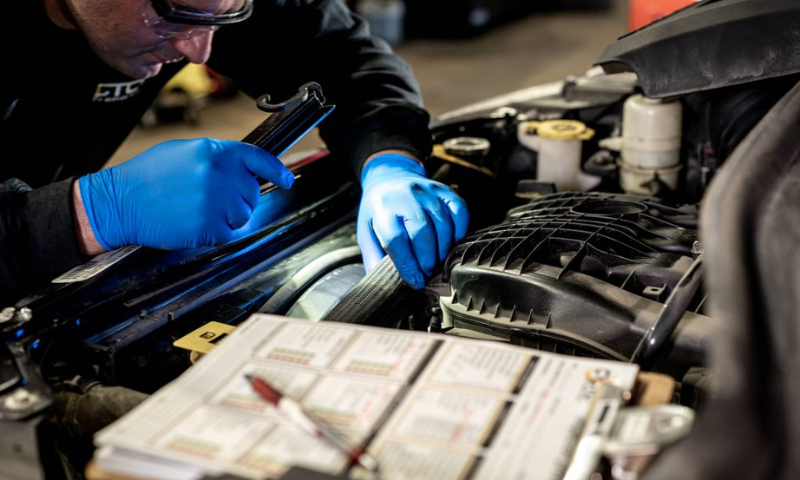
Driving is as much a psychological exercise as it is a mechanical one. Every time you step into a vehicle, your brain performs thousands of rapid micro-calculations, assessing speed, distance, road conditions, and the behavior of surrounding drivers. When your vehicle operates flawlessly, these calculations happen in the background of your subconscious mind. However, when a vehicle suffers from neglect, a layer of cognitive friction develops.
Vehicle maintenance is frequently discussed in terms of financial prudence, mechanical longevity, and structural safety. While those tangible benefits are undeniable, the intangible impact on the human mind is equally profound. Neglecting your car transforms driving from an empowering act of mobility into a source of low-grade, chronic anxiety. Conversely, a rigorous, proactive approach to vehicle care acts as a psychological buffer, radically transforming your mental state behind the wheel and elevating your overall driving confidence.
The Cognitive Load of Mechanical Uncertainty
To understand how maintenance builds confidence, you must first examine how a poorly maintained vehicle erodes it. The human brain dislikes unpredictable variables. When you drive a car with squeaking brakes, an illuminated dashboard warning light, or a steering wheel that vibrates at highway speeds, your mind is forced to split its attention.
Instead of focusing entirely on defensive driving and situational awareness, a portion of your cognitive capacity is occupied by mechanical anxiety. You find yourself asking internal questions like:
-
Will my car start if I turn the engine off right now?
-
Can I stop quickly enough if the vehicle in front of me slams on its brakes?
-
Is that strange ticking sound getting louder as I accelerate?
This continuous internal dialogue creates distraction and elevates cortisol levels. A driver operating under high stress is statistically more prone to hesitance, overreaction, and poor decision-making. When you eliminate these mechanical wildcards through regular servicing, you reclaim your full cognitive bandwidth, allowing you to focus completely on the road ahead.
The Direct Links Between Maintenance and On-Road Assurance
Confidence behind the wheel is built on predictability. When you know exactly how your vehicle will react to your inputs, you can drive assertively and safely. Several key maintenance areas directly feed into this feeling of control.
Decisive Braking Power and Panic-Stop Preparedness
Nothing destroys driving confidence faster than a soft or unresponsive brake pedal. Brakes are your primary safety tool, yet many drivers tolerate warning signs like squealing pads, a spongy pedal feel, or a slight pull to one side during deceleration.
Regular brake inspections, timely pad replacements, and periodic brake fluid flushes ensure that the relationship between your foot and the car’s stopping power remains linear and immediate. Knowing your vehicle can perform an emergency panic stop without pulling, fading, or failing allows you to navigate crowded highways and unpredictable urban environments without a lingering sense of dread.
Optimized Traction and All-Weather Control
Your tires are the only four points of contact between your multi-ton vehicle and the asphalt. Driving on bald, unevenly worn, or underinflated tires creates a persistent undercurrent of vulnerability, particularly during inclement weather.
Proactive tire maintenance—including maintaining proper air pressure, rotating tires every six thousand miles, and replacing them before the tread depth drops below critical levels—fundamentally alters how you perceive challenging driving conditions. When you know your tires possess deep tread channels designed to evacuate water and maintain a firm grip, you can face sudden downpours, slick roads, and sharp curves with calm assurance rather than white-knuckled panic.
Predictable Steering, Suspension, and Handling
A car that drifts, wallows over bumps, or suffers from excessive body roll feels disconnected from the driver. This disconnect often stems from worn shocks, struts, ball joints, or poor wheel alignment.
When your steering and suspension systems are properly maintained, the vehicle responds precisely to your commands. If you need to make a sudden evasive maneuver to avoid debris on the highway, a healthy suspension system stabilizes the chassis and prevents loss of control. This predictable handling dynamic breeds deep driving confidence, making the vehicle feel like an extension of your own body.
Electrical Reliability and the Eradication of Stranding Anxiety
The fear of being stranded on the side of a dark highway or in an unsafe neighborhood is a major contributor to driving anxiety. This fear is usually tied to the vehicle’s electrical system, specifically the battery and alternator.
Car batteries rarely fail without warning; they typically exhibit sluggish cranking or corrosion around the terminals weeks before dying completely. Testing your battery annually, keeping terminals clean, and replacing it every three to five years eliminates the stressful guesswork of whether your engine will turn over when you turn the key.
Breaking the Cycle of Reactive Repairs
Many drivers view vehicle maintenance through a reactive lens. They wait for a component to snap, smoke, or fail entirely before visiting a technician. This reactive approach ensures that every encounter with automotive care is accompanied by stress, financial surprise, and logistical disruption.
Shifting to a proactive maintenance strategy completely flips this dynamic. By adhering to the manufacturer-recommended service schedule found in your owner’s manual, you take control of the timeline. You schedule oil changes, fluid swaps, and belt replacements at your convenience, rather than letting a mechanical failure dictate your day.
This sense of environmental control shifts your perspective from a passive victim of mechanical misfortune to an active manager of a finely tuned machine. When you know every fluid is fresh, every belt is tight, and every filter is clean, you can embark on long road trips or daily commutes with complete peace of mind.
The Hidden Connection to Long-Term Value and Prudence
Driving confidence is not solely about physical safety; it is also about financial security. When you drive a car that feels like a ticking financial time bomb, you cannot fully enjoy the experience of driving.
Small maintenance tasks protect larger, incredibly expensive components. A simple thirty-dollar oil change prevents a five-thousand-dollar engine replacement. Replacing a worn boot on a constant-velocity joint prevents the entire axle from failing.
When you maintain your vehicle properly, you know you are protecting a major financial investment. This realization removes the financial guilt and background stress often associated with car ownership, leaving you free to focus on the joy and utility of open-road mobility.
Conclusion
Driving confidence is ultimately built on a foundation of trust. You must trust your own reflexes, you must trust the rules of the road, and crucially, you must trust the machine beneath you.
When you skimp on maintenance, you compromise that trust, replacing it with doubt, anxiety, and distraction. By treating vehicle care not as a chore, but as a deliberate investment in your mental well-being and physical safety, you cultivate a harmonious relationship with your vehicle. The next time you schedule an alignment, swap out old wiper blades, or refresh your transmission fluid, realize that you are not just servicing metal and rubber. You are actively tuning your peace of mind and building the confidence required to master any road ahead.
Frequently Asked Questions
How does changing my engine oil regularly affect my day-to-day driving confidence?
Regular oil changes keep your engine running smoothly, quietly, and efficiently. When an engine is well-lubricated, it accelerates predictably without hesitation, overheating, or strange noises. This mechanical reliability eliminates the fear of sudden engine failure or power loss during critical maneuvers like merging onto a fast-moving highway.
Can old cabin air filters actually impact my comfort and focus while driving?
Yes. A clogged or dirty cabin air filter reduces the efficiency of your heating, ventilation, and air conditioning system. This can lead to weak airflow, poor window defogging capabilities during cold or rainy weather, and the accumulation of musty odors or allergens inside the cabin. Clean windows and fresh air are vital for maintaining clear visibility and sharp driver focus.
Why does a wheel alignment make such a noticeable difference in how confident I feel on the highway?
When your wheels are misaligned, the vehicle constantly fights against your intended path, causing it to pull to one side or produce a troubling vibration in the steering wheel. Correcting the alignment ensures the car tracks perfectly straight with minimal steering effort, reducing driver fatigue and giving you precise control at high speeds.
How do I know if my vehicle’s cooling system needs attention before it causes a breakdown?
Look for subtle warning signs such as the temperature gauge reading higher than normal, low coolant levels in the reservoir, sweet-smelling puddles under the car, or a heater that fails to blow warm air. Servicing the cooling system before these symptoms escalate prevents catastrophic engine overheating and the anxiety of getting stranded with a smoking hood.
Does maintaining the vehicle exterior and glass play a role in driving assurance?
Absolutely. Clean, clear glass and fully functioning windshield wipers drastically improve your peripheral vision and reaction times, especially during night driving or heavy downpours. Furthermore, keeping your headlights clean and replacing cloudy lenses ensures optimal forward illumination and guarantees that other drivers can see your vehicle clearly.
What is the psychological benefit of keeping a detailed vehicle service history log?
Maintaining a physical or digital record of every service performed creates a sense of order and mastery over your machine. It provides tangible proof that your vehicle is safe and roadworthy. This historical certainty eliminates the vague worry that you might have forgotten a critical piece of maintenance, allowing you to drive without lingering doubts.


